Underfloor heating is a luxurious and efficient way to warm a property, but traditional systems can add significant height to the floor. This can be a problem in renovations or situations with limited floor-to-ceiling space. Thankfully, technological advancements have brought low profile underfloor heating systems, offering all the benefits of underfloor heating with a minimal increase in floor height.
Advantages of Low Profile underfloor heating:
- Suitable for renovations: Low profile underfloor heating systems are perfect for existing floors where raising the floor level significantly isn’t an option.
- Faster installation: These systems often utilise dry construction methods, allowing for quicker installation and less construction.
- Compatible with various floor coverings: Low profile underfloor heating systems work well with a wide range of floor coverings, including wood, laminate, vinyl and even some types of carpet.
How Low can you go?
The exact profile of a system is dependent on the specific product, but our systems can add as little as 15mm to 18mm to the existing floor height. This makes them ideal for projects with even the most restricted space limitations.

Which rooms are low-profile underfloor heating systems best suited for?
Low profile underfloor heating systems are particularly well-suited for rooms where space is at a premium or where renovations require minimal disruption. Here are some prime examples:
Renovation Projects
- Period properties: Maintaining original floor heights is crucial in period homes. Low profile systems are perfect for preserving the character of these properties. We’ve completed many listed and period properties, view the case studies here.
- Apartments and flats: Space is often limited, making low profile systems an excellent choice.
Specific Rooms
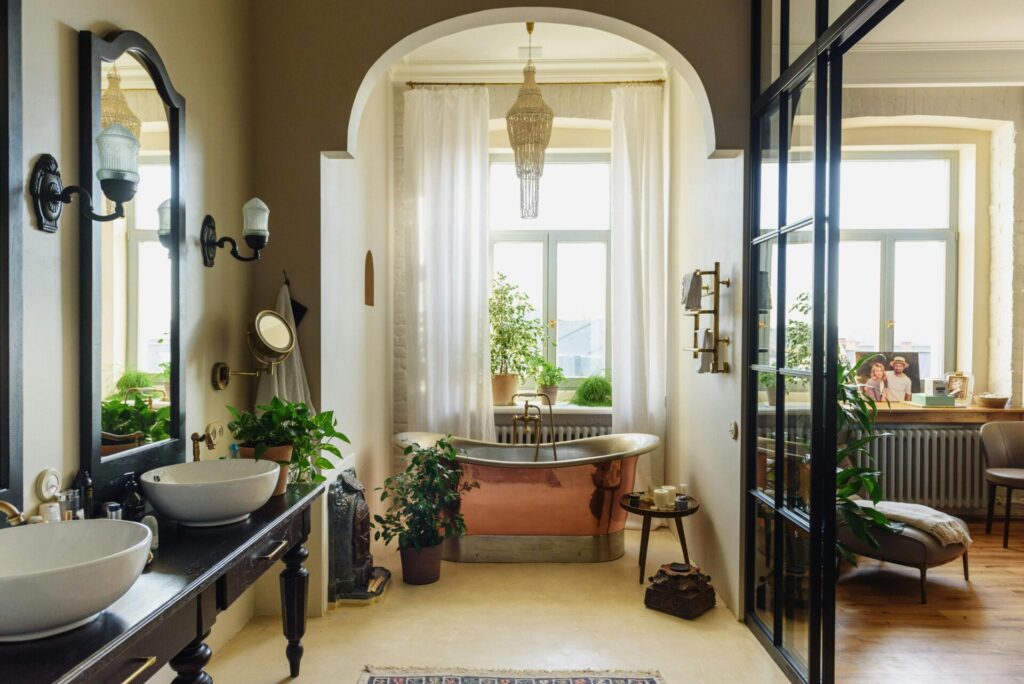
- Bathrooms and ensuites: While traditional underfloor heating is popular here, low profile systems offer a stylish alternative without compromising comfort.
- Kitchens: Combining underfloor heating with modern kitchen design creates a sleek and warm environment.
- Conservatories and extensions: These spaces can be challenging to heat efficiently. Low profile systems can offer a discreet and effective solution.
- Bedrooms: Enjoy the luxury of stepping onto a warm floor when you first get out of bed.
Choosing the right system for your needs:
With various low profile systems available, selecting the right one for your project requires careful consideration. It’s essential to consider several factors before installation:
Floor Preparation
- Level Surface: The subfloor must be flat and level for optimal heat distribution. Any uneven surface can impact system performance.
- Insulation: Proper insulation is crucial to prevent heat loss and ensure efficient operation. The type of insulation will depend on the floor structure and desired heat output.
- Moisture control: Ensure the subfloor is dry to prevent damage to the system and potential mold growth.
Floor Finish
Not all floor finishes are suitable for low profile underfloor heating. Some materials like thick carpets can hinder heat transfer and will affect how quickly the heat reaches the room. Thinner finishes tend to be more efficient. Materials with good thermal conductivity, such as stone or ceramic tiles can enhance heat distribution.
Consult with the specialists
Consulting with underfloor heating specialists such as ourselves can be invaluable. We offer a comprehensive range of low profile underfloor heating systems and can help you design, supply and install the perfect solution. Our expertise ensures you get the most efficient heating solution with minimal impact on the existing floor level.
As part of our system design, we will calculate the required heat output based on room size, insulation and desired temperature and a pipe layout that is carefully planned to ensure even heat distribution. The final piece of the puzzle is a suitable control system to regulate temperature and optimise energy efficiency.
Low profile underfloor heating systems remove a major barrier to enjoying the benefits of underfloor heating. Don’t let limited floor space hold you back from considering underfloor heating in your next project.
To discuss your next low-profile underfloor heating project send in your plans, call us on 01202 894976 or visit www.ufhn.co.uk

